
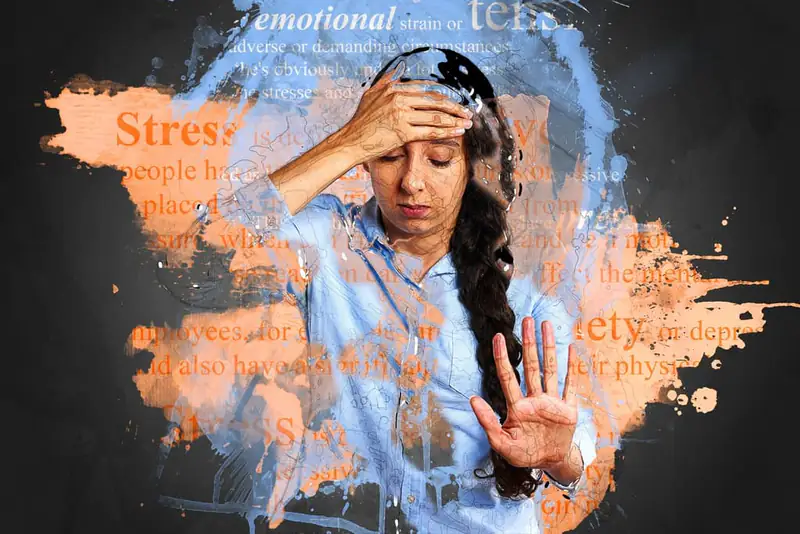
What are the signs of stress?
Stress is what you feel when the demands on you seem bigger than the time, energy or support you have to meet them. A little pressure can help you focus, but when it carries on for weeks or months it starts to wear you down. Most people notice the signs in their body, their mood and their behaviour.
You might find it hard to concentrate, forget things or feel that your head is always full. Small problems can feel huge, and you may snap at people you care about. Sleep often suffers, either because you can't drop off or because you wake early with your mind racing. Some people rely on a glass of wine to unwind, or feel too busy for the things that used to relax them.
Stress isn't a sign of weakness. It's a signal that something needs attention, whether that's your circumstances, your recovery time or the way you respond under pressure.
Common causes of stress
Stress often builds quietly from several sources at once. Each one on its own might feel manageable, but together they can tip the balance. Common causes include:
- A heavy workload, long hours or worries about job security.
- Caring for children, a partner or an older relative.
- Money worries, debt or rising bills.
- Life events such as moving house, starting a new job, illness or bereavement.
- Strain in a relationship, or conflict with family, friends or colleagues.
Even happy events, such as a wedding or a new baby, can be stressful because they bring change and extra demands.
How stress shows up as physical tension
Stress often shows up in the body as tension. You might clench your jaw, hunch your shoulders, breathe shallowly or find it hard to sit still. Over time this can lead to headaches, a stiff neck, an aching back or a tight feeling in your chest.
Relaxation-based sessions can help you recognise that tension and practise letting it go. Progressive muscle relaxation, where you tense and then release each muscle group in turn, is one simple method. Slower breathing is another, and both are skills you can use at home. Physical symptoms that persist should always be checked by a GP, as they can have other causes.
Can hypnotherapy help with stress?
Hypnotherapy may help you feel calmer and respond to pressure in a more measured way. It won't remove the causes of stress, but many people find it gives them a more settled starting point from which to cope. During hypnotherapy, Sonya Hudson guides you into a deeply relaxed, focused state. You remain aware throughout, and you can open your eyes and stop whenever you wish.
In this state you can practise a calmer reaction to familiar pressure points, such as a busy morning, a demanding meeting or a difficult phone call. Sonya may also show you a short self-hypnosis routine to use at home. Research on hypnotherapy for stress is still limited, so it's best seen as one helpful tool among several.
Other approaches that may help
Because Sonya works with several methods, sessions can be tailored to the way stress affects you.
EFT for stressful moments
EFT is a quick tapping routine that you can learn in a session and use almost anywhere, for example before a meeting or after a tense conversation. You tap on points such as the side of the hand and the collarbone while focusing on what's bothering you, and rate how strong the feeling is from 0 to 10.
Reiki for rest and relaxation
Reiki is a calm, quiet session where you lie fully clothed on a couch while Sonya places her hands on or just above your body. Many people find it deeply restful. The idea of Reiki as an energy therapy isn't scientifically established, so it's best thought of as a relaxing experience rather than a medical treatment.
Counselling for the bigger picture
Counselling gives you space to talk through what is driving the pressure. Sessions can help you think about what could realistically change, where you might set clearer boundaries and what support you need.
What to expect from sessions
The first step is a free phone call with Sonya, where you can explain what's been happening and ask about fees. Sessions take place at her clinic in Wallsend and usually last 60 to 90 minutes, while counselling sessions are around 60 minutes.
Building lasting habits takes longer and usually involves some practice between appointments. You're not tied into a fixed number of sessions, and progress is reviewed as you go, so you can decide together when you have what you need.
Everyday ways to manage stress
Alongside any sessions, a few simple habits can make stress easier to manage:
- Take short breaks. Step away from your desk or chores for five minutes every couple of hours, even when you feel too busy.
- Breathe out slowly. A longer out-breath helps your body settle. Try our simple breathing exercise when pressure builds.
- Protect your sleep. Keep a regular bedtime and put screens away half an hour before. Our sleep difficulties page has more ideas.
- Move your body. A walk, a swim or some gentle stretching helps release built-up tension.
- Talk to someone. Sharing the load with a friend, partner or colleague often makes problems feel more manageable.
When to seek medical advice
Speak to your GP if stress is affecting your health, sleep or ability to cope with daily life, or if you're relying on alcohol or other substances to get through. Long-term stress can overlap with anxiety and depression, which may need a professional assessment. In England you can also refer yourself to NHS Talking Therapies.
If you need urgent help: call 999 or go to A&E in an emergency. For urgent mental health support, call NHS 111 (option 2 in England) or contact your GP. Samaritans are available day and night on 116 123.
Questions
How quickly might I feel more relaxed?
Many people feel relaxed during and immediately after a session. Building lasting habits takes longer and usually involves some practice between sessions.
Is stress the same as anxiety?
They overlap, but stress is usually a response to pressures happening now, while anxiety can carry on even when the pressure has passed. Both are worth taking seriously, and our anxiety page explains more.
Can stress cause physical symptoms?
Stress can contribute to headaches, muscle tension, stomach upsets and poor sleep. However, these symptoms can also have other causes. It's sensible to have them checked by your GP, especially if they are new or getting worse.
Do I need to know which therapy I want?
No. Many people simply describe what's been happening and decide on an approach with Sonya. Our guide to choosing between hypnotherapy, NLP, EFT, Reiki and counselling may also help.