
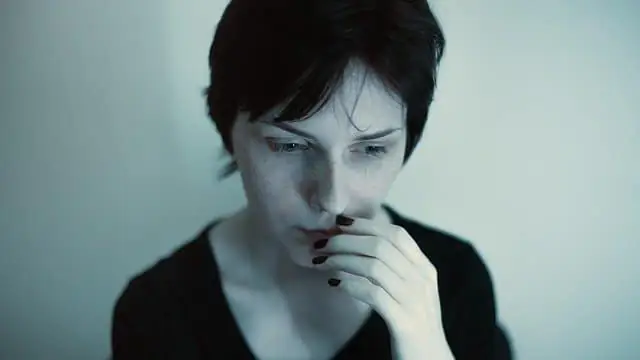
What does anxiety feel like?
Anxiety is a feeling of unease, worry or fear that can range from mild to overwhelming. Everyone feels it sometimes, for example a racing heart before a job interview or a knot in your stomach while you wait for news.
For some people, though, anxiety becomes the background setting of everyday life. Your mind may jump to the worst outcome, replay conversations or refuse to switch off at night. Your body often joins in too, with tight muscles, a churning stomach, a dry mouth, restlessness or a feeling of being on edge.
Anxiety often leads to avoidance. You might turn down invitations, put off phone calls or take the long way round to avoid a busy place. This brings quick relief, but over time it can make your world feel smaller and the worry feel bigger.
Common causes and triggers
There is rarely a single cause of anxiety. It usually builds from a mix of personality, life experience and current pressures. For some it arrives after a particular event or a long run of stress.
Common triggers include:
- Pressure at work or in your studies, such as deadlines, appraisals or a difficult manager.
- Big life changes, including a new job, a house move, becoming a parent or the end of a relationship.
- Health worries, either about yourself or about someone close to you.
- Past experiences that left you feeling unsafe or out of control.
Anxiety can also centre on one area, such as social situations, health or travel. Specific fears are covered on our phobias page, and sudden, intense episodes on the panic attacks page.
Can hypnotherapy help with anxiety?
Hypnotherapy may help some people feel calmer and more in control of anxious feelings, although it isn't a quick fix and it doesn't work for everyone. Hypnosis is simply a relaxed, focused state. You stay aware of what is happening and can stop at any time.
In this relaxed state, Sonya Hudson, the clinical hypnotherapist behind Simple Hypnotherapy, can guide you to rehearse situations you've been dreading while feeling settled. Practising a calmer response in your imagination can make the real situation feel more familiar and less threatening.
It's worth being clear about the evidence. Research into hypnotherapy for anxiety is limited and the results are mixed. Cognitive behavioural therapy (CBT) has the strongest evidence and is available on the NHS. Some people choose complementary sessions alongside CBT or after it.
How EFT, NLP and counselling may help
Sonya is trained in several approaches, so sessions can combine whichever suit you best.
EFT tapping
EFT involves gently tapping on points such as the side of the hand, the eyebrow and the collarbone while you focus on a worry. You rate how strong the feeling is from 0 to 10 before and after. It is easy to learn, so you can use it on your own at home or before a stressful event.
NLP
NLP looks at the way you talk to yourself and picture events in your mind. For example, you might notice that you always imagine a meeting going badly, then practise picturing it differently. NLP theory isn't scientifically established, but many people find its practical exercises a helpful way to shift their focus.
Counselling
Counselling gives you space to talk through what has been happening and what might be feeding the worry.
What happens in sessions for anxiety
Everything starts with a free, no-obligation phone call, so you can describe what's going on and ask questions before deciding anything. Fees are explained during this call too. If you go ahead, your first session usually begins with a conversation about when anxiety shows up, how it affects you and what you'd like to be different.
Sessions usually last 60 to 90 minutes and take place at the clinic in Wallsend, Newcastle upon Tyne. Online video sessions may be possible for some approaches, so please ask. A typical session might include some talking, a guided relaxation or hypnosis, and a simple technique to practise at home. Our guide to what happens in a first hypnotherapy session walks through it step by step.
How many sessions might I need?
There's no set number, because it depends on how long anxiety has been around and how widely it affects your life. Some people with a specific worry notice a difference within a few sessions.
You're never tied into a fixed course. Sonya will review your progress with you as you go and change the approach if something isn't helping. Results vary and can't be guaranteed, but practising between sessions usually helps.
Simple things you can try today
Small daily habits can take some of the edge off anxiety. Try these and keep the ones that help:
- Slow your breathing. Breathe in gently through your nose, then make your out-breath a little longer than your in-breath. Our simple breathing exercise explains how.
- Ground yourself. Name five things you can see, four you can hear and three you can touch to bring your attention back to the present.
- Set a worry time. Write your worries down and look at them at a set time each day, rather than letting them run all day long.
- Keep moving. A brisk walk uses up some of the adrenaline that anxiety produces.
When to seek medical advice
Speak to your GP if anxiety is severe, lasts for weeks, or affects your ability to work, sleep or look after yourself. Please also have any physical symptoms checked, such as chest pain or palpitations. In England you can refer yourself to NHS Talking Therapies for free psychological support. If you ever have thoughts of harming yourself, seek help straight away using the contacts below.
If you need urgent help: call 999 or go to A&E in an emergency. For urgent mental health support, call NHS 111 (option 2 in England) or contact your GP. Samaritans are available day and night on 116 123.
Questions
Will I have to face my fears in the session?
Only at a pace you agree to. Much of the work happens in your imagination first, while you feel relaxed. This lets you build confidence step by step before trying anything in real life.
Can I keep taking my anxiety medication?
Yes. Never stop or change prescribed medication without speaking to your doctor first. Complementary sessions can sit alongside medical care.
Is hypnotherapy for anxiety safe?
For most people, hypnosis is a gentle and relaxing experience. It isn't suitable for everyone, so Sonya will ask about your health before you start. She is registered with the Complementary & Natural Healthcare Council (CNHC).
Can hypnosis cure anxiety?
No one can honestly promise a cure. Hypnotherapy may help some people feel calmer and cope better with anxious moments, but results vary from person to person.