

Why public speaking feels so hard
Fear of public speaking is very common, and it isn't a sign that you're bad at it. Standing in front of an audience triggers the body's stress response, which is designed to help you escape danger rather than give a calm presentation. That's why your body can react as if you're under threat, even when you know the room is friendly.
The signs are familiar to many people: a dry mouth, a shaky voice or hands, a racing heart, blushing and a strong fear of being judged. Often the build-up is worse than the event itself, with days or weeks of worry beforehand. Some people avoid speaking altogether by turning down presentations or staying quiet in meetings, which can hold back both careers and confidence.
Stage fright for performers
For musicians, actors, dancers and other performers, stage fright can feel especially unfair. You know you can do it in rehearsal, yet nerves take over when it really matters. A certain amount of adrenaline can sharpen a performance, but too much can upset your focus, your breathing and fine movements such as fingerwork on an instrument.
Stage fright often feeds on itself. One shaky performance can make you dread the next, and that dread pushes your nerves even higher. Sessions can help break this pattern by changing what you expect to happen when you step on stage.
Interviews and other public appearances
Job interviews, media appearances, wedding speeches, award ceremonies and being on camera can all bring similar nerves. These moments often matter a great deal, which adds to the pressure. Preparing for them usually works best when practical rehearsal is combined with techniques to stay calm and present.
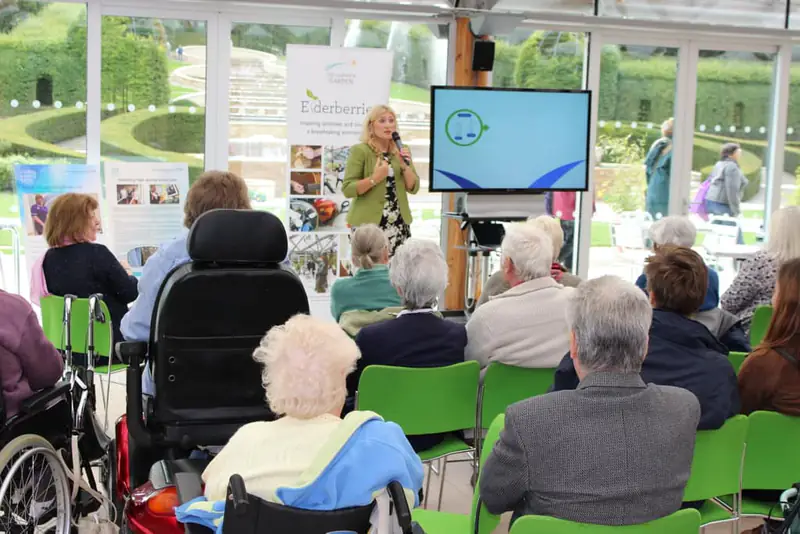
Sonya Hudson has run workshops and spoken on local radio about hypnosis, NLP and coaching, so she knows what it's like to stand up in front of people. That experience shapes the practical, down-to-earth way she helps clients prepare.
Can hypnotherapy help with fear of public speaking?
Hypnotherapy may help you feel calmer and more prepared before you speak or perform. It doesn't replace knowing your material, but it can make it easier to show what you can do. During a session, Sonya guides you into a relaxed, focused state where you can rehearse the event in detail while feeling settled.
You might picture yourself walking to the front, looking at the audience and delivering your opening lines with a steady voice. Repeating this calm rehearsal can make the real event feel more familiar. Many people also learn a short self-hypnosis routine to use in the days beforehand. You can read more about how hypnotherapy works, or see our article on common myths about hypnosis.
How NLP and EFT can help on the day
NLP anchoring
NLP offers a technique called anchoring. You recall a time you felt confident and link that feeling to a small gesture, such as pressing your thumb and finger together. With practice, the gesture can help bring back a calmer, more assured state just before you step up. NLP theory isn't scientifically established, but many people find these exercises practical and easy to use.
EFT tapping
EFT gives you a discreet routine for settling nerves in the hours before an event. You tap on points such as the side of the hand and under the eye while focusing on the worry, then check how strong it feels on a scale of 0 to 10. Once you've learned it, you can use it in a quiet corner before you go on.
Preparing for a specific event
If you have a presentation, audition or speech coming up, it helps to get in touch as early as you can. A free phone call with Sonya is the first step, and fees are explained then. Sessions take place in Wallsend, Newcastle upon Tyne, and usually last 60 to 90 minutes.
Many people find that a short run of focused sessions before an event works well, although results vary. More time gives you more chance to practise the techniques until they feel natural. The aim isn't to feel no nerves at all, but to keep them at a level where you can think clearly and perform well.
Practical tips for speaking with confidence
Alongside sessions, good preparation makes a real difference. These tips are simple to put into practice:
- Rehearse out loud. Practising in your head isn't the same as hearing your own voice, so run through your material aloud several times.
- Know your opening. Learn your first few lines well, because nerves are usually strongest at the start.
- Slow down. Nervous speakers tend to rush, so pause between points and take a breath.
- Focus on your message. Think about what your audience needs to hear rather than how you look.
- Build up gradually. Speak up in smaller meetings first, so that larger events feel less of a leap.
When to seek medical advice
If social situations in general cause you intense fear, or you avoid many everyday situations because of anxiety, speak to your GP. This may be social anxiety, which can be helped by talking therapies. In England you can refer yourself to NHS Talking Therapies directly.
If you need urgent help: call 999 or go to A&E in an emergency. For urgent mental health support, call NHS 111 (option 2 in England) or contact your GP. Samaritans are available day and night on 116 123.
Questions
I have a presentation next week. Is that enough time?
It may be. A focused session or two can help you prepare, although more time gives you more opportunity to practise. Get in touch and talk it through.
Will I still feel nervous?
Probably a little, and that's normal. The aim is to keep nerves manageable so they don't get in your way.
Can hypnotherapy help with job interview nerves?
It may help some people feel calmer and more prepared. Sessions can include rehearsing the interview in your imagination, from walking into the room to answering difficult questions. Practical preparation, such as researching the role, still matters.
Is fear of public speaking a phobia?
A very strong fear of public speaking is sometimes called glossophobia. For most people, though, it's a common and understandable fear rather than a disorder. If it leads you to avoid many situations, our phobias page may also be useful.