How to choose a hypnotherapist: questions worth asking
Hypnotherapy isn't statutorily regulated in the UK. A practical checklist for choosing someone you can trust.
Free & no obligation
Request a free quote
Tell us what you'd like help with and Sonya will call you back with prices, availability and answers to your questions.
Prefer to talk? Call 0191 580 1548
Choosing a hypnotherapist can feel daunting, especially if you've never had therapy before. In the UK, hypnotherapy is not regulated by law in the way that professions like medicine or nursing are, which means anyone can call themselves a hypnotherapist. Most practitioners are conscientious and well trained, but it's sensible to do a few checks before you book. This guide explains what to look for, which questions to ask and which warning signs to avoid.
Is hypnotherapy regulated in the UK?
No, hypnotherapy isn't regulated by law in the UK. The title "hypnotherapist" isn't protected, so there's no legal minimum standard of training before someone can practise. That doesn't mean every practitioner is untrained, but it does mean some of the responsibility for checking falls on you.
The good news is that there are voluntary ways for practitioners to show they meet recognised standards. The most useful of these is an accredited register, which is explained below.
Check for an accredited register
The Complementary and Natural Healthcare Council (CNHC) holds a voluntary register for practitioners, including hypnotherapists. This register is accredited by the Professional Standards Authority, which accredits registers of health and care practitioners. Registered practitioners have to meet standards for training, insurance and conduct, and there's a complaints process if something goes wrong.
You can search the CNHC register online to check a practitioner's name. Because registration is voluntary, not every good hypnotherapist will be on it. Even so, it gives you an independent check that's quick and easy to carry out.
What training should a hypnotherapist have?
Look for substantial training from a recognised school rather than a short weekend course. A good hypnotherapist will be happy to tell you where they trained, what their qualification is called and how long they've been practising. If someone is vague or defensive when you ask, treat that as a warning sign.
It's also worth asking how they keep their skills up to date. Training in related areas, such as counselling, can be useful too, because it shows the practitioner knows how to listen well and when to suggest other help.
Professional insurance and memberships
Every practitioner should have professional indemnity insurance. It's a basic requirement for anyone working with the public and a sign that they take their work seriously. CNHC registration requires it, and you can always ask a practitioner to confirm they're insured.
Membership of a professional association is another helpful sign. These bodies usually expect members to follow a code of ethics, covering things like confidentiality, honesty and clear professional boundaries.
Red flags to watch out for
Most warning signs come down to promising too much or pushing too hard. Be cautious of any practitioner who does any of the following:
- They guarantee results or say hypnotherapy works for everyone.
- They claim to cure medical or mental health conditions.
- They suggest you stop taking medication or avoid seeing your GP.
- They pressure you to buy a large package of sessions upfront.
- They won't explain their training, insurance or fees clearly.
A responsible practitioner will be honest about what hypnotherapy can and can't do. They'll also suggest your GP or another professional when that would serve you better.
Questions to ask before you book
A short phone call is the best time to ask questions, and a good practitioner will welcome them. These four are worth covering.
- How would you work with an issue like mine? Listen for a thoughtful answer that's tailored to you, rather than a one-size-fits-all script.
- How many sessions might I need? Nobody can know for certain, but they should be able to give you a rough idea and explain why.
- What happens if hypnotherapy isn't right for me? A good answer includes being honest with you and pointing you towards other help where needed.
- How do you handle confidentiality? You should hear how your information is kept, and the rare situations where confidentiality might need to be broken for safety reasons.
How to compare costs fairly
Fees vary between practitioners, so it's worth comparing like with like. Check how long each session lasts, because a 90-minute session isn't the same as a 50-minute one. Ask how many sessions are usual for your issue, and whether anything else, such as a follow-up call, is included.
The cheapest option isn't always the best value, and neither is the most expensive. A practitioner who explains their fees clearly, doesn't tie you into a fixed number of sessions and is honest about likely progress is usually a safer choice. At Simple Hypnotherapy, fees are explained during the free phone consultation, so you know where you stand before you book.
Online or in person: which is better?
Both can work well, and the right choice depends on you. In-person sessions give you a quiet space away from home, which many people find helps them relax. Online video sessions save travel time and may feel easier if you're nervous about going somewhere new.
If you choose online sessions, make sure you have a private, comfortable room where you won't be interrupted. Some approaches suit online work better than others, so ask the practitioner what they recommend. Sonya sees clients at her clinic in Wallsend, Newcastle upon Tyne, and online sessions may be possible for some approaches.
Does the practitioner feel right for you?
Finally, trust your instincts. Feeling comfortable and respected is an important part of any therapeutic relationship, and it can make a real difference to how relaxed you feel in sessions. A free initial conversation is a good way to find out whether you get on before you commit to anything.
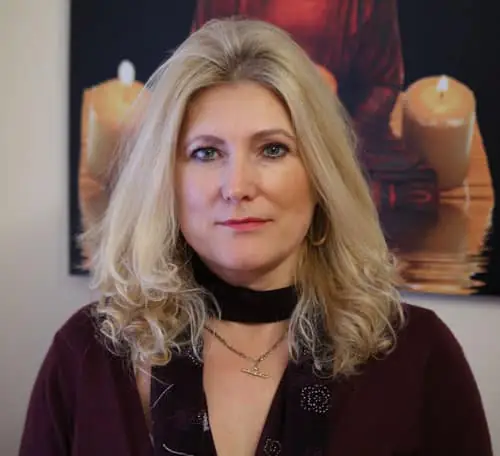
At Simple Hypnotherapy, sessions are with Sonya Hudson, who is registered with the CNHC and has more than 20 years' experience in therapy and personal development. You can read about her qualifications and background.
Written by the Simple Hypnotherapy team. This article is for general information and isn't a substitute for personalised medical advice.